When Is the Right Season for a Chemical Peel?
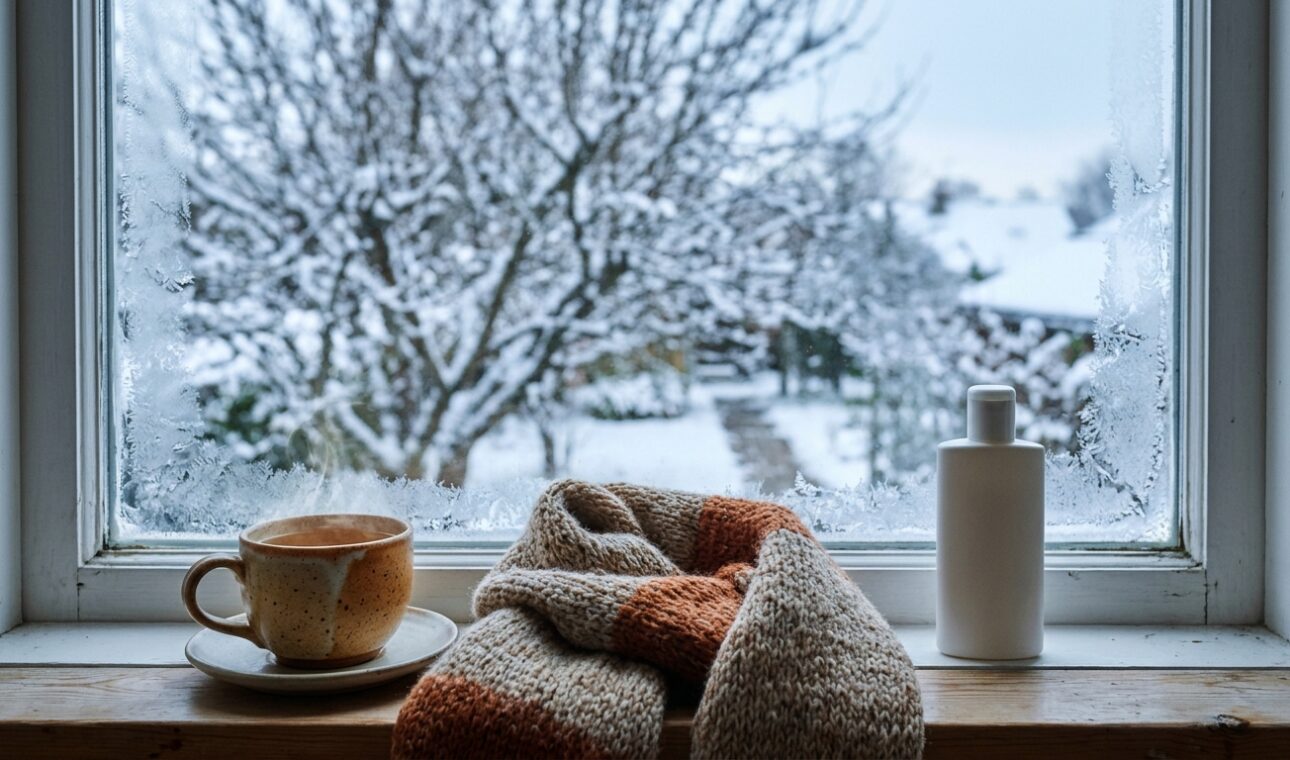
Autumn and winter are usually the right time for chemical peels and many laser treatments. The sun is weaker, days are shorter and you spend more time indoors, which lowers the risk of new dark spots while your skin heals.
Peels and lasers work by renewing the outer layers of the skin or targeting pigment and blood vessels. For a while afterwards, the skin is more sensitive to sunlight. Strong sun on freshly treated skin can trigger new pigmentation, especially in people who tend to develop dark spots or melasma.
That doesn’t mean summer treatments are impossible. Some gentle treatments can be done all year, as long as sun protection is strict. But for deeper peels and pigment treatments, the colder months are generally preferred.
Why Autumn and Winter Work Well
Planning treatment in the colder months has several advantages:
- Less sun exposure: a lower risk of new spots while the skin recovers.
- Easier protection: hats, scarves and more time indoors make it simpler to avoid the sun.
- Time for a full course: many pigment and skin quality treatments need several sessions, and a course started in autumn can be completed before summer.
- More convenient recovery: mild redness or peeling doesn’t clash with your summer plans.
- Clearer results: spots brought out by summer sun are easier to see and treat in autumn.
Which Treatments Suit the Winter Months?
These treatments usually benefit most from being done in the colder months:
- Medium and deeper chemical peels: for dark spots, uneven tone and texture.
- Laser and light treatments for pigment: such as BBL laser for sun spots and redness.
- Resurfacing treatments: such as fractional lasers, which renew the skin’s surface.
- Pigment and melasma programs: treatments combined with prescription creams.
For an overview of the options for different types of spots, see our skin spot treatments page.
Which Treatments Can Be Done All Year?
Not every treatment needs to wait for winter. These are usually fine year-round, with daily sunscreen:
- Gentle peels: mild enzyme or light acid peels with little or no visible peeling.
- Hydrating facials: such as HydraFacial, which cleanses and hydrates without downtime.
- Skin boosters and mesotherapy: which work beneath the surface.
- Botox and fillers: which aren’t affected by the season.
Your doctor will adjust the plan to your skin type, your history of pigmentation and how much sun you expect to get.
How to Protect Your Skin After a Peel or Laser
Results depend a lot on aftercare:
1. Use sunscreen every day: even in winter and on cloudy days, and reapply if you’re outside. 2. Don’t pick or peel flaking skin: let it come away on its own. 3. Keep the skin moisturized: a simple, fragrance-free moisturizer supports healing. 4. Pause active products: retinoids and acids are usually stopped for a few days; your doctor will tell you when to restart. 5. Avoid heat: saunas, steam rooms and intense exercise for the first days. 6. Follow up: sessions are spaced so the skin can recover, and the plan is adjusted to how your skin responds.
Can Dark Spots Come Back?
Yes, dark spots can come back, especially with sun exposure and hormonal changes. That’s why treatment is a process that includes protection, not a one-off fix.
Melasma in particular tends to return and often needs a long-term plan with regular sunscreen, suitable home care and occasional maintenance treatments. With consistent protection, results can be maintained much longer.
Frequently Asked Questions
Can you get a chemical peel in summer?
Gentle peels can be done in summer with strict sun protection. Deeper peels and pigment treatments are usually planned for autumn and winter, when the sun is weaker.
How long should you stay out of the sun after a chemical peel?
Avoid direct sun as much as possible for the first one to two weeks, depending on how deep the peel was, and use sunscreen every day afterwards.
Do I need sunscreen in winter after a laser treatment?
Yes. UV rays reach the skin in winter and on cloudy days too. Daily sunscreen is essential after any peel or laser treatment.
How many chemical peel sessions do I need?
It depends on the peel and the concern. Many people need a course of several sessions spaced a few weeks apart. Your doctor will plan this after examining your skin.
Is winter the right time to treat melasma?
Autumn and winter are a good time to start melasma treatment. Because melasma can return, ongoing sun protection and maintenance are just as important as the treatment itself.